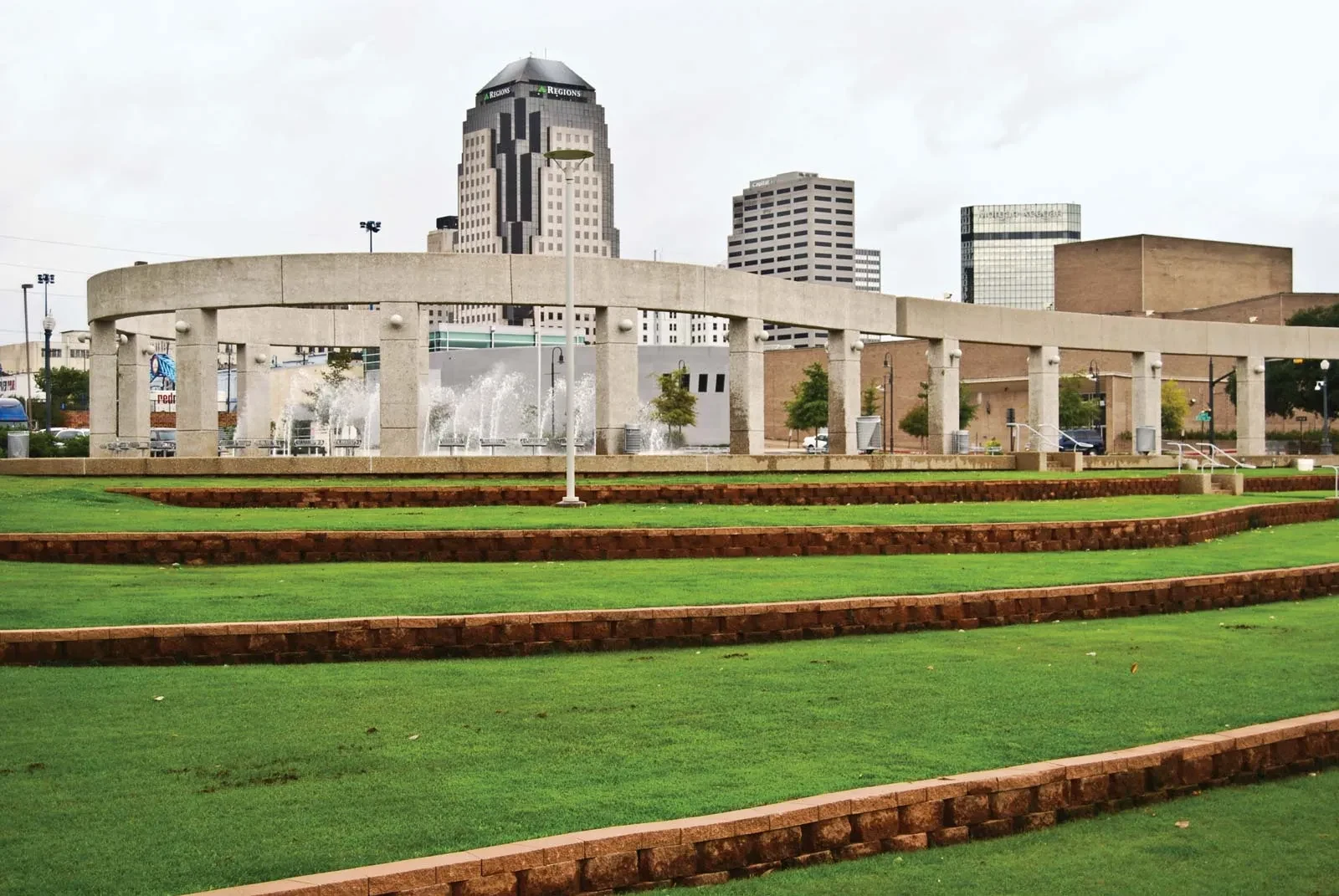
Standing Seam Metal Roofing in Shreveport, LA
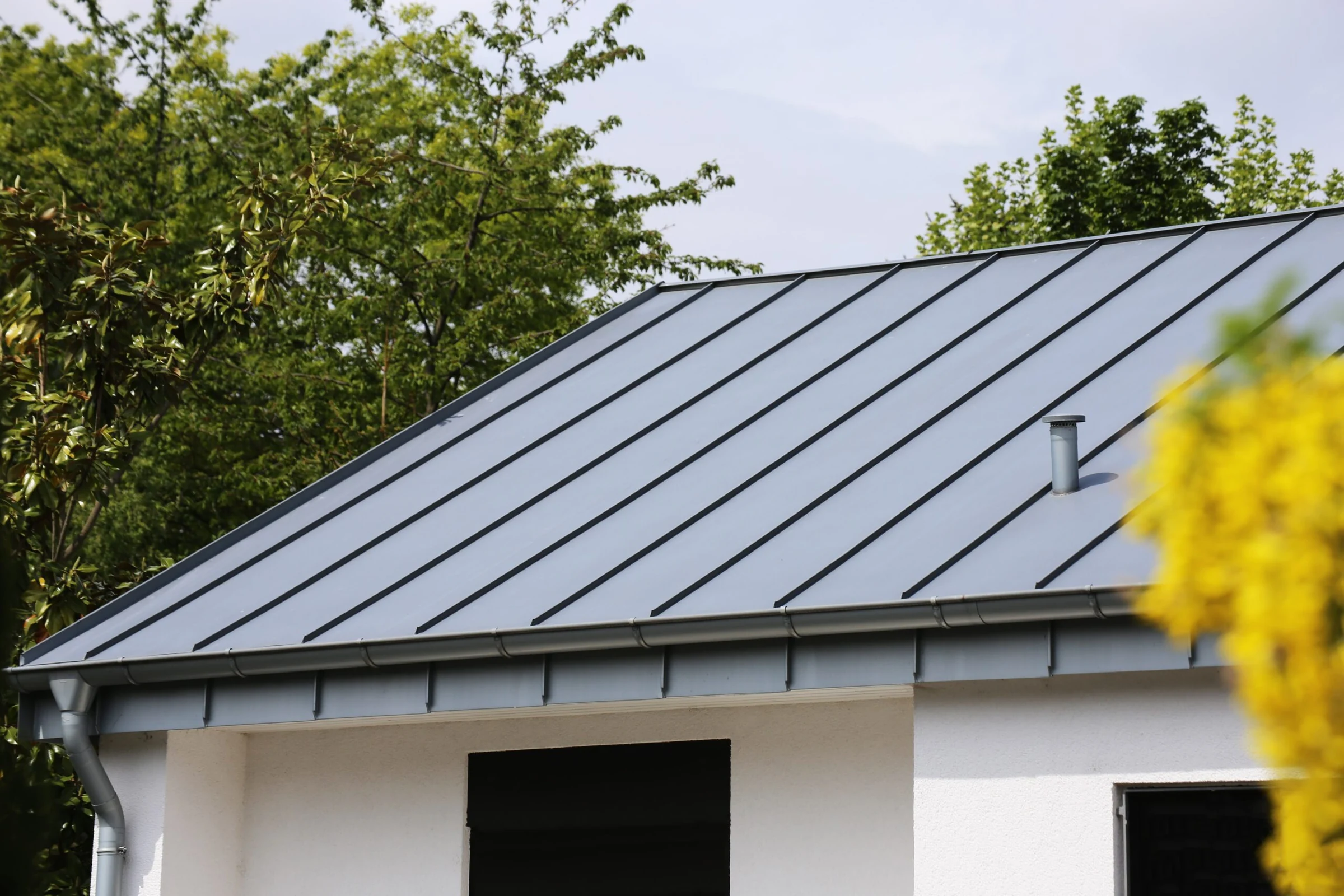
Standing Seam Metal Roofing for Shreveport-Bossier Buildings
Standing seam metal roofing shows up on a different slice of Shreveport-Bossier's commercial buildings than the low-slope membrane work we do most often - think government and municipal buildings, medical office entries, and newer construction where the roofline is part of the building's public face. Concealed fasteners and a clean panel line make it the system of choice anywhere appearance matters as much as performance.
Where We Install Standing Seam Most Often in This Market
Government and municipal buildings across Caddo and Bossier Parish frequently spec standing seam for its longevity and low-maintenance profile, since public buildings tend to be held to longer capital planning cycles than private commercial space. We also see it on higher-education buildings and medical office construction where a sloped, visible roofline is part of the architecture rather than hidden behind a parapet.
Concealed Fasteners Versus Exposed-Fastener Systems
The defining feature of standing seam is that the fasteners are hidden inside the raised seam rather than driven through the panel face, which eliminates the most common failure point on exposed-fastener metal roofs: fastener backout and gasket degradation over time. That makes standing seam a lower-maintenance system over its service life, though it costs more upfront than exposed-fastener R-panel. For buildings where long-term maintenance access is limited or where appearance matters, that tradeoff usually makes sense.
Thermal Movement and Panel Clip Design
Metal panels expand and contract significantly across Shreveport's temperature swings between summer highs and the occasional winter freeze. Standing seam systems use floating clips that let panels move with temperature changes without stressing the seam or fasteners, which is part of why properly installed standing seam roofs perform well over decades. Improperly installed clips, or clips spaced too far apart, lead to oil-canning and eventual seam stress - something we check closely on any inspection or repair call for an existing standing seam roof.
What We Look For on an Existing Standing Seam Roof
- Seam integrity and any signs of separation at panel laps
- Clip spacing and evidence of oil-canning from thermal stress
- Flashing condition at ridges, valleys, and wall transitions
- Sealant condition at penetrations, since standing seam relies less on sealant than exposed-fastener systems but still has critical detail points
- Panel coating condition and any early corrosion at cut edges
Most standing seam repair calls we get involve flashing detail work rather than the panel field itself, since the panels are built to move and shed water on their own once properly installed.
Repair Versus Replacement on an Aging Standing Seam Roof
Standing seam roofs generally have a long service life, and most issues we find are isolated to flashing, sealant, or a specific damaged panel rather than system-wide failure. Full replacement is uncommon unless the original installation had underlying issues with clip spacing or panel gauge that are now showing up as widespread seam stress. We'll tell you plainly if your roof falls into the rare full-replacement category or the far more common targeted-repair category.
Cost Comparison and Where the Extra Investment Pays Off
Standing seam costs meaningfully more per square foot to install than exposed-fastener R-panel, and for a warehouse or industrial building where nobody's looking at the roofline, that added cost is hard to justify. But for a government building, a hospital entrance canopy, or a higher-education building where the roof is visible from the street and held to a longer capital planning horizon, the lower long-term maintenance burden and cleaner appearance usually justify the upfront premium. We'll walk through the real cost difference for your specific building rather than pushing one system as a default.
Facilities managers overseeing public buildings across Caddo and Bossier Parish often have replacement cycles measured in multiple decades rather than the shorter horizons common in private commercial real estate, which changes the math on standing seam considerably in its favor. Those same buildings often have office hours, public counter service, or court schedules that limit when roof work can happen without disrupting the public they serve, so we schedule around those constraints and coordinate directly with facilities staff on access, noise timing, and any security requirements specific to a public building site.
A number of the older institutional buildings in this market have also gone through renovations that changed roof pitch, added dormers, or introduced new equipment penetrations without always updating the roof system to match. When we're asked to repair or extend a standing seam roof on a building with that kind of renovation history, we check whether the original panel run and clip spacing still make sense for the current roof configuration before doing a like-for-like repair. Sometimes the right fix accounts for changes the building went through after the roof was originally installed, rather than only what the original drawings called for.
Common Questions About Standing Seam Metal Roofing
Is standing seam a good fit for our building type?
It works well anywhere appearance and long-term low maintenance matter more than upfront cost - public buildings, medical office entries, and visible rooflines especially.
How does standing seam compare to R-panel for our facility?
Standing seam costs more but eliminates exposed fasteners as a failure point; R-panel costs less and is common on warehouse and industrial buildings where appearance isn't the priority.
What usually goes wrong on an older standing seam roof?
Flashing and sealant details at penetrations and transitions, far more often than the panel field itself.
Can a damaged panel be replaced without redoing the whole roof?
In most cases, yes, provided the surrounding panels and clips are in good condition.
How do you inspect a standing seam roof for hidden clip problems?
We look for oil-canning and seam stress patterns that indicate clip spacing issues, then verify with a closer physical check at problem areas.