
Roofing for Government and Public-Sector Facilities in Shreveport, LA
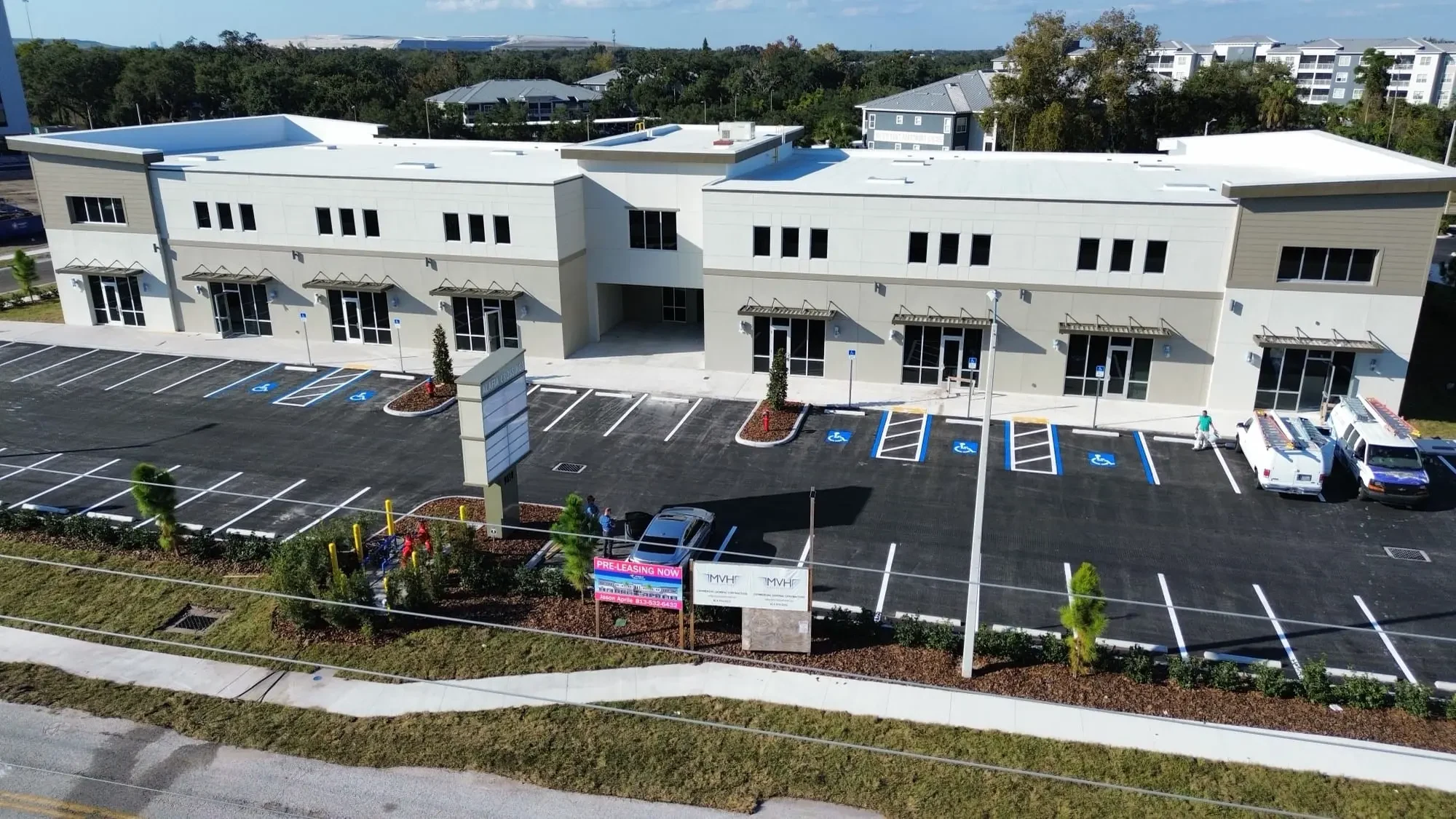
Roof Work That Runs on a Public Budget Calendar
Caddo and Bossier parish facilities, city buildings, and area school districts run on a different clock than private commercial ownership - fiscal-year budgets, public bid requirements, and a level of taxpayer scrutiny that a private landlord never has to answer to. We work with facilities managers across public buildings who need roof decisions that hold up to that scrutiny, documented in a way that survives a budget hearing or a public records request.
The Fiscal Year Decides the Timeline
Public roof projects rarely move on a private-sector schedule. Capital spending on a courthouse, a school, or a municipal building usually has to clear a budget cycle first, sometimes a full year ahead of when the work actually happens. We build estimates that hold their accuracy across that gap - itemized by system, area, and material, not a rough number that needs revisiting once the fiscal year finally arrives.
Emergency roof failures don't wait for a budget cycle, and most public entities have some mechanism for emergency procurement outside the normal bid process. We document damage and urgency clearly enough that a facilities manager can make the case for that emergency path when a roof genuinely can't wait for the next appropriation.
We also help facilities managers separate what's genuinely an emergency from what merely feels urgent in the moment. A roof that's actively dumping water into a records room is an emergency. A roof with worn granules and ten years of life left is a planning item, and conflating the two erodes the credibility of the next real emergency request.
Competitive Bidding Is the Rule, Not the Exception
Public roof work almost always goes through competitive bidding above a certain dollar threshold, and we're used to bidding against other contractors on a defined scope rather than winning through a relationship. What matters most in that process is a bid specification that reflects the actual building - our own measurements and site visit, not an assumption based on square footage pulled from an old file. A bid built on the real roof condition holds up better once work starts and the numbers get compared against what the winning contractor actually finds.
We've seen bid packages built from an old file measurement come apart once a contractor gets on the roof and finds a different membrane, different insulation thickness, or a section that was already recovered once and never documented. Starting from an accurate site visit avoids that kind of change order fight after a public entity has already awarded the contract.
School Buildings Run on Their Own Calendar
School district roof work has a calendar most other public buildings don't: summer break. Reroofing and major repair work on occupied schools gets scheduled around the academic year whenever possible, since disrupting a classroom or gymnasium during the school year creates problems well beyond the roof itself. We plan school district projects around that summer window from the start, rather than treating a school roof like any other public building on a flexible timeline.
What Public Facilities Need From a Roofing Contractor
- Bid specifications built from actual site measurements, not assumptions
- Line-itemized estimates that hold up across a fiscal-year budget gap
- Documentation supporting emergency procurement when a roof can't wait
- School district projects scheduled around the academic calendar
- Multi-building portfolio inspection across parish and municipal properties
Older Civic Buildings Carry Their Own History
Courthouses, older school buildings, and municipal offices around Shreveport-Bossier often carry roof systems that have been patched and modified over decades of ownership within the same public entity, which means institutional memory about the roof's actual condition sometimes outlasts any single facilities manager's tenure. We document what we find plainly, including problems left over from repairs done years before we were ever involved, so the current facilities team has a real record to work from instead of secondhand history.
Turnover among facilities staff at public agencies is common enough that we've walked into more than one building where nobody currently on staff remembers what the last roof contractor actually did. We keep our own records detailed enough to fill that gap when we're the ones returning to a building years after an earlier repair.
Accountability Runs Both Directions
Public facilities work gets reviewed by people who weren't in the room when a decision was made - a school board, a parish council, a citizen filing a records request. We write our reports assuming that kind of review will happen, because it usually does, and a facilities manager shouldn't have to defend a contractor's vague documentation in a public meeting.
Questions Public Facilities Managers Ask
Can you build a bid specification we can use for competitive bidding?
Yes, that's most of what we do for public clients. We measure and assess the actual building so the bid scope reflects reality rather than an estimate.
Will your pricing still be accurate a year after we submit it for budget approval?
We build estimates with that gap in mind, itemized clearly enough to stand up to a fiscal-year delay between approval and the work happening.
Can you help us make the case for emergency procurement on a failing roof?
We document urgency and condition clearly enough to support that process, though the procurement decision itself belongs to your agency.
Do you work around the school year on district buildings?
Yes. We plan major school roof work for summer break whenever the project allows it.
Will your documentation hold up if it's requested publicly?
It's written assuming that's possible. Our reports are factual and specific enough to stand on their own in a public review.
Can you inspect multiple parish or municipal buildings on one visit?
Yes, and we recommend it. Batching inspections across a parish or city's building list saves everyone time and gives facilities staff one consolidated report instead of several disconnected ones.