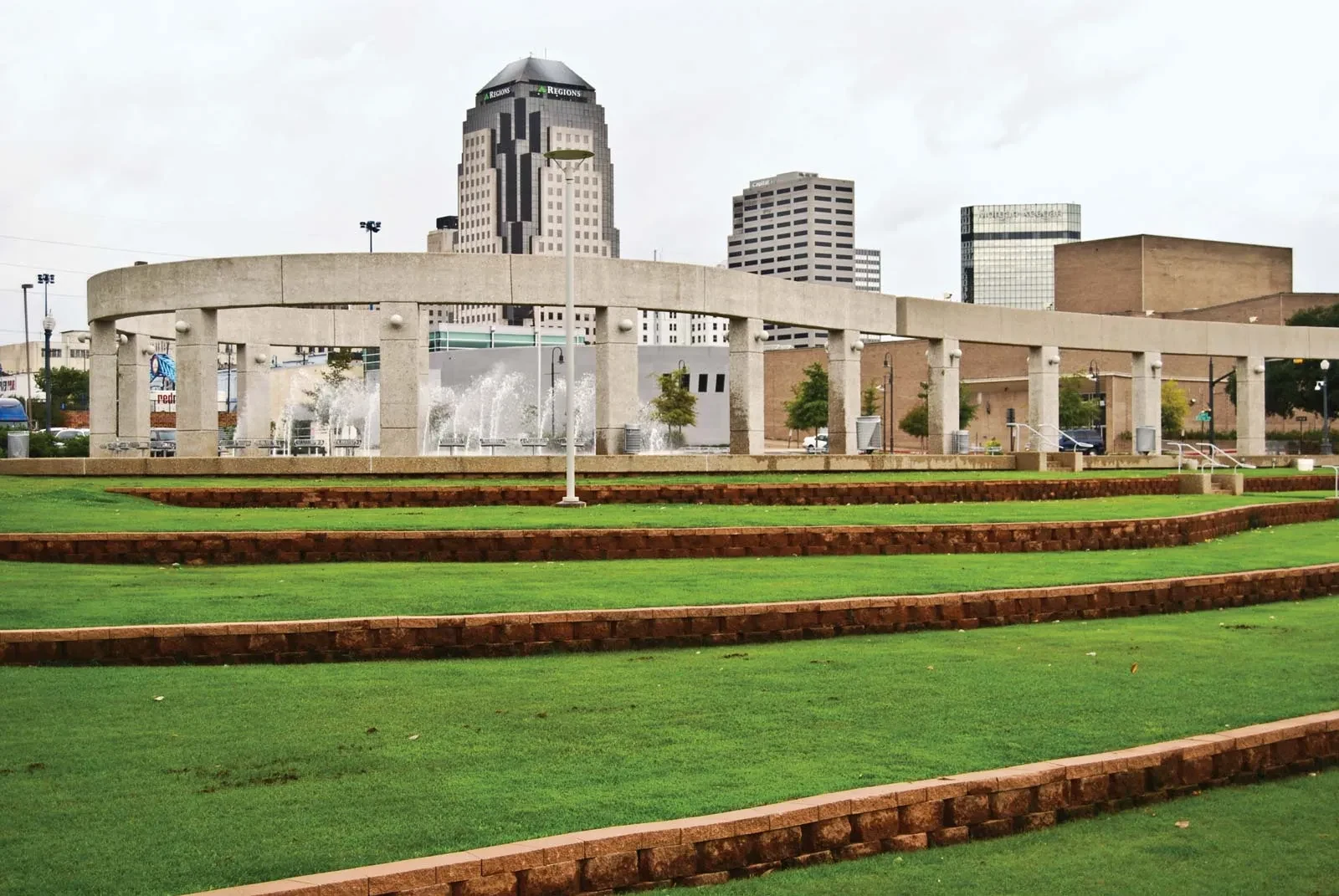
Commercial Roof Insurance Claim Assistance in Shreveport, LA
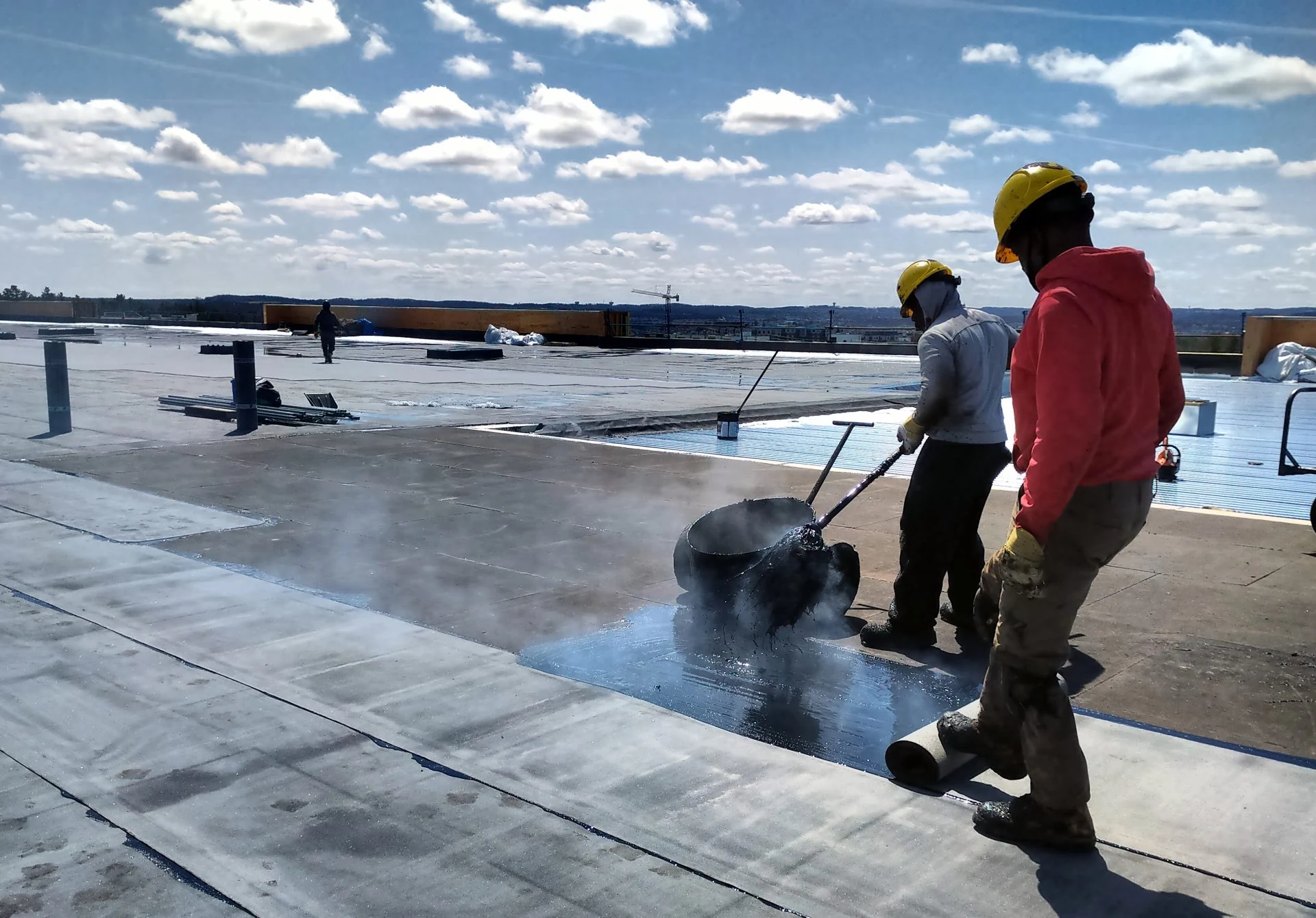
Documentation That Gives Your Claim a Real Scope
When a commercial roof in Shreveport-Bossier takes storm or hail damage, the claim only goes as far as the documentation behind it. We're a roofing contractor, not a public adjuster, so our part in the process is straightforward: we get on the roof, document what actually happened, and produce a scope that reflects the full extent of the damage rather than a quick patch that leaves half the problem unaddressed.
We're your roofing contractor, not a public adjuster, and we don't file the claim, negotiate with the carrier, or promise a payout figure. What we do is put together the kind of factual, measured record that lets you and your adjuster work from the same accurate picture of the roof, whether that roof sits over a casino floor in Bossier City, a medical building along the Ochsner LSU Health corridor, or a distribution warehouse off I-20. If you need that record specifically for a carrier's review, our documentation support covers the same ground in more depth.
What a Complete Roof Claim Actually Requires
A roof claim that holds up under review usually needs more than a handful of phone photos taken from the parking lot. It needs a documented condition record tied to a specific event, measurements that show the extent of the damage rather than a few isolated spots, and a scope that accounts for how the repair actually needs to be built rather than simply patched.
- Dated, close-up photos covering every damaged area, including sections that look minor
- Roof measurements and a marked plan showing where the damage sits
- Moisture readings or core samples where water intrusion is suspected
- A written description of the roof system and how this damage type affects it
- An itemized repair or replacement scope, including code-driven upgrades
- Photos of matching materials where partial repair would leave a visible or performance mismatch
That last point matters more than owners usually expect. Building codes and manufacturer specifications change over the life of a roof, and a patch-only repair can leave a building out of compliance with current wind-uplift or drainage requirements even after the visible damage is gone. We note where an ordinance or code upgrade needs to be part of the scope, not added later as a surprise change order.
Meeting the Adjuster on the Roof
We're glad to walk the roof with your adjuster and answer technical questions about the system, the damage pattern, and what a proper repair involves. That conversation goes better when there's already a written scope and photo record in hand instead of both sides trying to reconstruct what happened from memory during the walk itself.
Our role in that meeting is to speak accurately about the roof, not to argue the claim. If the adjuster sees something differently than we documented it, we'll talk through the roof system and the damage with them directly, but the settlement itself is a conversation between you and your carrier. If water got into the building before we arrived, we handle emergency dry-in first so the claim isn't complicated by damage that continued after the event.
When the Scope Comes Back Short
Sometimes the approved scope covers less than what the roof actually needs, whether that's a section of membrane left out, code items omitted, or a repair approved where the damage pattern points to full replacement. When that happens, we can go back through our original documentation with you and point out specifically what's missing from the approved scope so you have something concrete to bring back to your adjuster. We're not negotiating the claim for you at that point, we're making sure the roof's actual condition is represented accurately.
Different Buildings, Different Claim Needs
A casino roof along the Bossier riverfront or downtown Shreveport often carries several roof systems tied together across additions built at different times, which means a single storm event can produce different damage on each section and needs to be documented that way rather than as one blanket claim. Medical buildings in the Ochsner LSU Health corridor carry heavier rooftop mechanical loads, so damage around curbs and equipment pads gets its own attention in the scope. Warehouses and distribution buildings along I-20, along with the industrial stock near the Red River port corridor and the properties supporting Barksdale Air Force Base, tend to run wide open membrane fields where wind and hail damage can spread across a large area that's easy to underestimate from the ground. Even the converted warehouse space now used as film production stages around Shreveport carries its own roofing quirks from adaptive reuse, and we document those buildings on their actual as-built condition rather than assuming a standard commercial roof underneath. However the damage got there, whether from straight-line wind, hail, or a hard freeze event, the documentation approach stays the same: a dated, specific record tied to that roof and that storm.
Commercial Roof Claim Questions We Hear Most
Does insurance cover a commercial roof replacement?
It depends on your policy and the cause of loss, which is a coverage question for your agent or carrier. What we can tell you, based on inspection, is whether the damage pattern points to a repairable section or a roof that's past the point where a partial fix makes sense.
What's the first step after storm damage to a commercial roof?
Get the building safe and dry first if there's active water intrusion, then get a documented inspection before repairs start. Documenting condition before any repair work begins is what gives the claim something solid to stand on.
Will you handle our claim for us?
No. We document and substantiate the roof damage so you and your adjuster are working from an accurate scope, but filing and negotiating the claim itself stays between you and your insurance company.
What happens if our claim gets denied?
We can't speak to why a carrier denies a claim, but we can review our documentation against the denial and tell you plainly whether the roof's actual condition supports another look, so you have accurate information to take back to your carrier.
Can you meet our adjuster on site without us being there?
We prefer you or your property manager be looped in, but we can walk the roof with an adjuster and speak to the system and the damage directly if that's how you'd like to handle it.
Do you only work storm claims, or general roof damage too?
Both. Not every roof claim starts with a named storm. Wear-related failures, equipment damage, and other covered events all need the same kind of accurate, dated documentation.