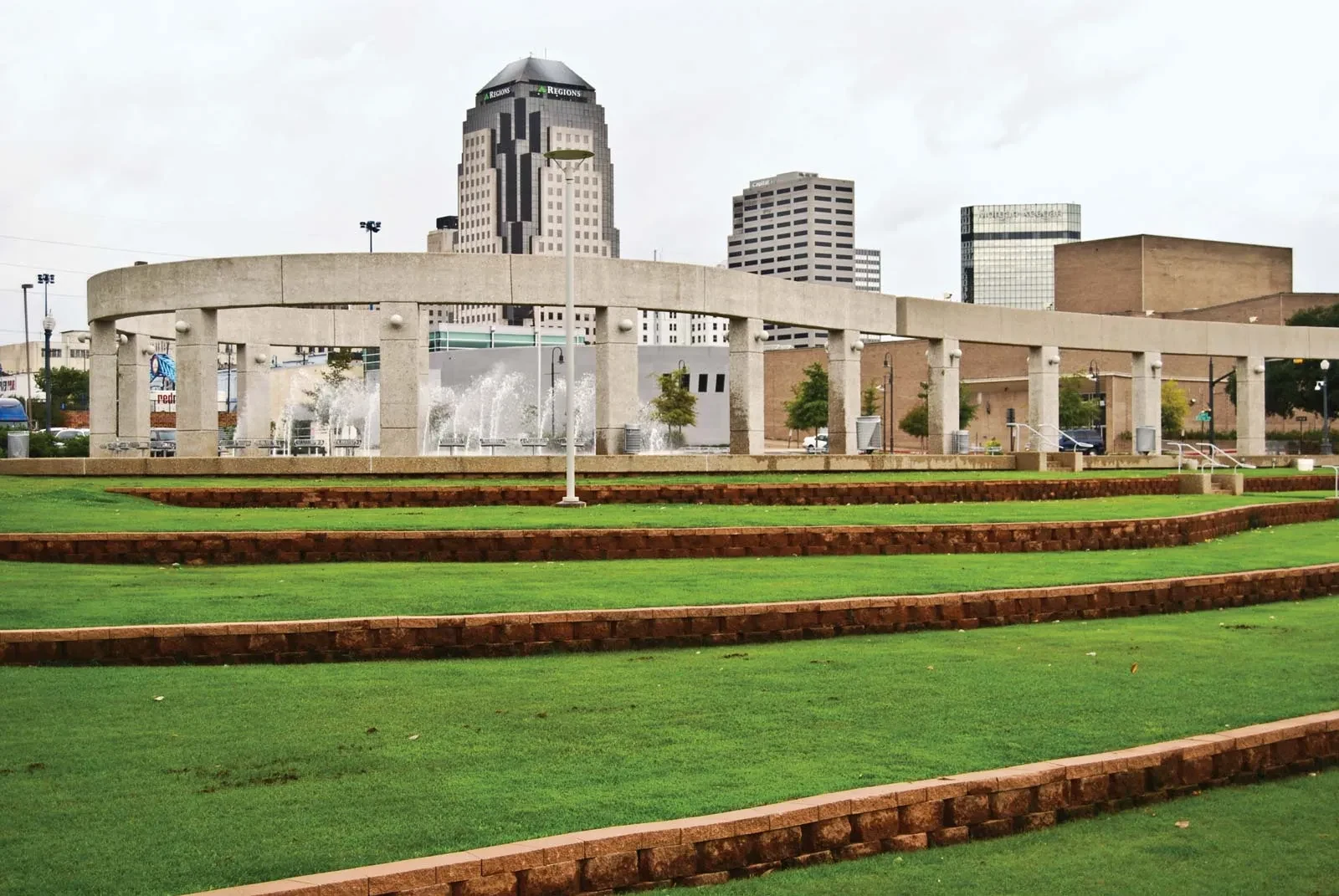
Commercial Reroofing in Shreveport, LA
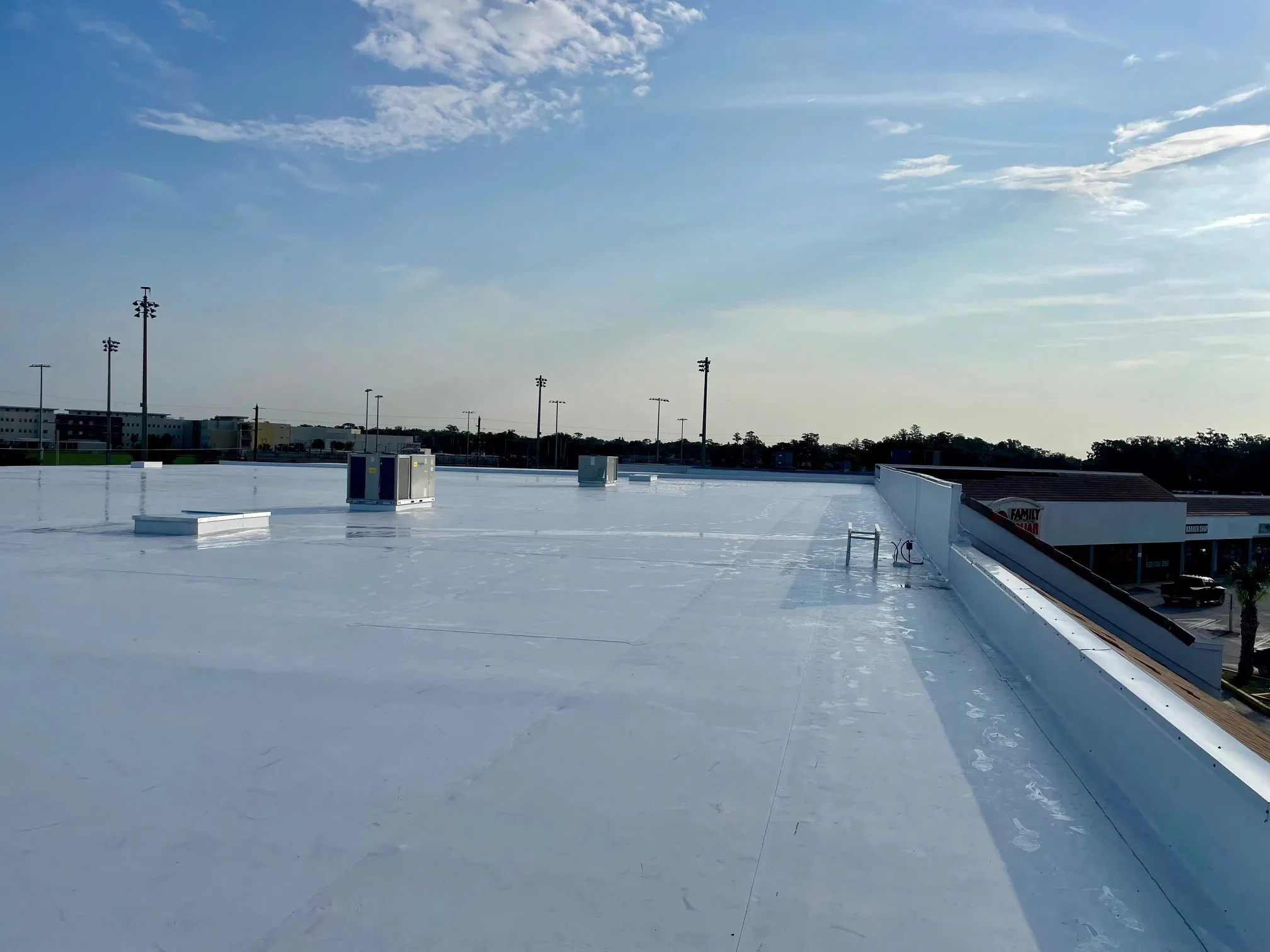
Commercial Reroofing for Shreveport-Bossier Facilities
Commercial Roofers of Shreveport handles full reroof projects for office buildings, medical space, and industrial facilities across Shreveport-Bossier. Most of what lands on our schedule is a reroof rather than new construction, because this market's commercial building stock skews older and a lot of it is still carrying built-up or modified bitumen systems specified decades ago. We plan every reroof around the building staying open and the tenants staying dry.
Why So Much of Our Reroof Work Downtown Is Restoration, Not New Construction
Downtown Shreveport and the Bossier riverfront didn't see the wave of ground-up commercial construction that hit newer Sun Belt metros over the last two decades. A lot of the office stock along Texas Street and Spring Street, and plenty of the industrial buildings near the old rail corridors, are running roof systems that already have one or two recover layers stacked on top of the original built-up roof. At some point a recover stops being an option, because the deck and insulation underneath are wet enough that another layer just adds dead weight to a roof that's already marginal on wind uplift.
We see the same pattern in medical office buildings clustered around the LSU Health Shreveport and Willis-Knighton campuses. Older single-ply membranes installed in the 1990s and early 2000s are past their service life, with more open seams than tight ones, and the facilities managers running those buildings are trying to squeeze one more budget cycle out of a roof that's already telling them no.
We tell owners plainly when a roof is a repair candidate versus a reroof candidate. If we're recommending a full reroof, it's because the math on repair-and-patch has stopped working against the cost of a properly engineered system built to hold through the next decade of Ark-La-Tex storm seasons.
Recover or Full Tear-Off: How We Make That Call for an FM
Before we put a number in front of you, we run a moisture scan across the existing roof and pull core samples in a handful of spots. That tells us how much of the insulation underneath is wet, whether the deck has soft spots, and how many roof layers are already up there. Most manufacturer warranties, and a lot of code language, cap a roof at two existing systems before a tear-off becomes mandatory anyway.
A recover only makes sense when the deck is dry and sound, the existing insulation still holds usable R-value, and the roof isn't already at its layer limit. If any of those conditions fail, we're going to tear off, not because it's the bigger job, but because setting a warrantied membrane over a wet substrate is a warranty claim waiting to happen, and it's your building that carries that risk later.
Here's what we walk through with the facilities team on every reroof scope before we price it:
- Existing roof assembly and layer count, confirmed by core cuts
- Deck condition, including steel deck corrosion, wood deck rot, or concrete deck spalling
- Wet insulation mapped by infrared or capacitance moisture scan
- Drainage slope and whether tapered insulation is needed to correct ponding
- Rooftop equipment, curbs, and penetrations that need new flashing
- Wind uplift rating required for the building's height and exposure
- Warranty term the owner actually needs for their hold period
Sequencing a Reroof Around Tenants, HVAC Curbs, and Work Orders
A reroof on an occupied medical or office building isn't a job you can just show up and tear into. We section the roof into work zones so only one zone is ever open to weather at a time, and we coordinate with your building engineer on which zones sit over sensitive space, like server rooms, imaging suites, or occupied tenant floors, so those get sequenced last or receive extra dry-in protection every night regardless of forecast.
HVAC curbs are usually the trickiest part of sequencing. Rooftop units can't come off the curb for more than a few hours without shutting down conditioning to whatever's underneath, so we build the schedule around lifting and resetting each unit inside a single work window, with a crew standing by to seal and restart rather than leaving a curb open overnight.
We also loop in whoever runs your tenant work order system before we mobilize, so property management can push notices about noise, staging areas, and parking changes ahead of time instead of fielding complaint calls the first morning a crane shows up on site.
Membrane and Metal Systems We Spec for This Climate
Wind uplift is the top design factor here, not UV or ice. Shreveport-Bossier sits in a corridor that takes straight-line wind out of spring squall lines and, some years, the remnants of Gulf hurricanes pushing inland along I-20. Whatever membrane goes on your roof needs a fastening pattern and uplift rating engineered for that exposure, not a stock spec pulled off a shelf.
TPO and PVC single-ply cover most of what we install on flat commercial roofs now, mechanically attached with a fastening pattern sized to the building's height and corner and perimeter zones. On buildings with a lot of existing built-up roofing still performing structurally, modified bitumen is still a legitimate reroof option, especially where the owner wants a system crews already know how to service, and it pairs well with our commercial roof inspection program going forward.
For metal buildings, and there are plenty in the industrial parks off I-20 and I-49, standing seam with concealed fasteners holds up better against wind than exposed-fastener panel systems, and it's what we spec when an owner is reroofing a metal building rather than patching panel by panel.
Questions Facilities Managers Ask Before Approving a Reroof
How long does a full tear-off reroof take on an occupied building?
It depends on size and how much of the roof has to stay dry each night, but a typical 20,000 to 40,000 square foot flat roof runs several weeks when we're sectioning it to keep tenants covered. We give you a zone-by-zone schedule before mobilizing so you can plan around it.
Can you reroof in sections to spread the cost across two budget cycles?
Yes, and we do this often for owners phasing capital spend. We design the tear-off in phases that each function as a complete, warrantied section on their own, rather than leaving a half-finished roof exposed between fiscal years.
What happens to the old roofing material?
It gets torn off, staged, and hauled off site as the project moves. We don't leave torn-off built-up roofing stacked on the deck overnight where it can blow or soak.
Will a reroof trigger a code-required insulation upgrade?
Often, yes. Louisiana's energy code sets minimum insulation R-values for reroof projects, and a full tear-off usually requires bringing the roof assembly up to current code even if the original roof predates it.
Do you work around casino and hospitality operating hours?
We do. Noise-sensitive phases get scheduled for off-hours when a building runs around the clock, which comes up often given how many properties in this market operate on a 24-hour basis.