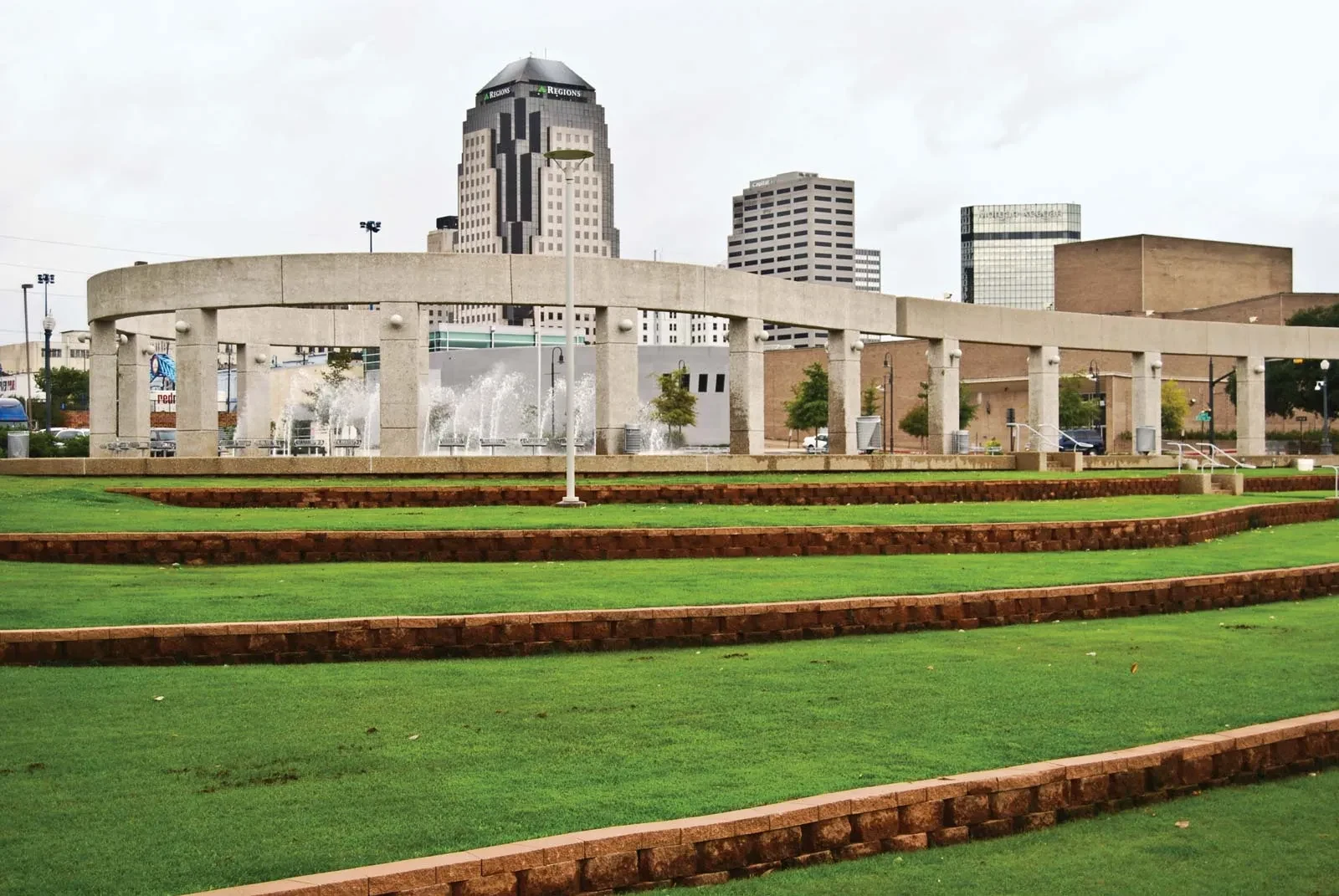
Multifamily Apartment Roofing in Shreveport, LA
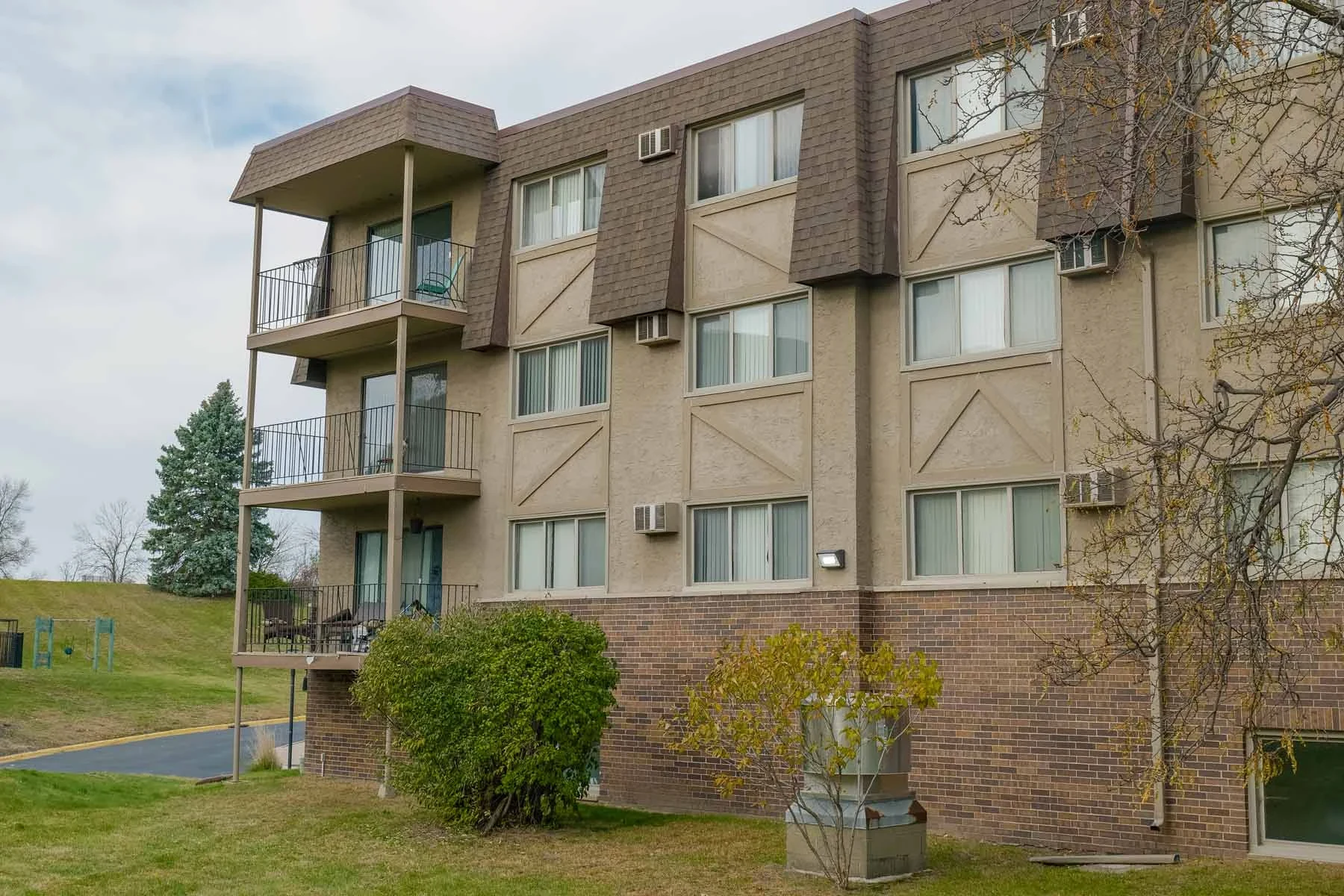
An Occupied Unit Turns a Simple Repair Into a Notice-and-Access Problem
Apartment communities across Shreveport-Bossier range from older garden-style properties with steep-slope shingle roofs to newer mixed low-slope and pitched buildings, and almost all of them share the same operational headache: every roof issue touches an occupied unit, which means tenant notice and access come before the actual repair work can start.
Notice, Access, and the Paperwork Behind Every Roof Call
A property manager can't send a crew onto a roof over an occupied unit without giving proper notice under the lease, and coordinating that notice across multiple buildings on a multifamily property adds a layer of logistics that a single-tenant commercial building never deals with. We work directly with property management on notice timing and unit access, building our crew schedule around whichever units have already been cleared rather than showing up and hoping residents are available.
Interior access matters just as much when a leak needs tracing from inside a unit. We coordinate those visits through property management's usual notice process rather than treating it as a separate, informal arrangement, since that consistency is what keeps a property in good standing with its residents.
Mixed Roof Types Across One Property
A lot of apartment communities in this market combine pitched, shingled roofs over individual buildings with flat, low-slope sections over clubhouse, leasing office, or covered parking structures. Each of those roof types ages differently and needs a different inspection approach, and we assess them separately rather than assuming one roof type's condition tells us anything about the other.
Older properties, in particular, sometimes carry roofs that have been reroofed by building rather than all at once over the years, which means a single property can have several different shingle ages and conditions across its footprint. We map that out building by building so property management knows exactly which structures are due for attention next, rather than treating the whole community as one uniform project.
Storm Damage and the Insurance Claim That Follows
Hail and wind events hit this region regularly, and a damaged multifamily roof usually means an insurance claim process running alongside the actual repair work. We document pre-existing condition and storm damage separately and clearly, since that distinction matters directly to how an adjuster evaluates a claim, and a property that can't show clear before-and-after documentation often ends up with a smaller settlement than the damage actually warrants.
Ice storms add another wrinkle specific to this region. A roof that handled hail fine can still take damage from ice accumulation and the freeze-thaw cycling that follows, and we check for that separately from wind or hail damage since insurance carriers sometimes treat them as distinct causes of loss.
On a standing inspection across a multifamily property, here's what we document:
- Shingle or membrane condition and age by individual building across the property
- Flashing condition at valleys, chimneys, and roof-to-wall transitions on pitched sections
- Low-slope roof condition over clubhouse, leasing office, and covered parking structures
- Storm damage documented separately from pre-existing wear, building by building
- Gutter and downspout condition, since undersized or clogged systems on older properties cause more damage than the roof itself sometimes does
- Interior ceiling staining reported by unit, cross-checked against actual roof condition above
That building-by-building record gives property management a clear roadmap for capital planning, and it gives an insurance claim the documentation it needs to hold up under review.
Turnover Timing and When Roof Work Actually Fits
Unit turnover between residents is sometimes the easiest window for anything beyond a straightforward repair, since an empty unit removes the access and notice complications entirely. We ask property management about upcoming turnover schedules when a building needs more than a spot repair, since lining up roof work with a vacant unit reduces disruption without asking a current resident to accommodate a crew overhead. Our insurance documentation support work on multifamily claims usually runs in parallel with this kind of scheduling conversation.
Working With Regional and On-Site Management Teams
A lot of apartment communities in this market are managed by a regional company with an on-site team handling day-to-day operations, which means our reporting has to serve two audiences: the on-site manager who needs practical scheduling information and the regional office that's approving capital spend. We structure our documentation to work for both without requiring a separate version for each.
Common Questions From Apartment Property Managers
How much notice do residents need before roof work happens over their unit?
That depends on the property's lease terms, but we build our crew schedule around whatever notice period property management has already given, rather than working ahead of it.
How do you document storm damage for an insurance claim on a multifamily property?
Building by building, with pre-existing wear documented separately from storm-specific damage, since that distinction directly affects how an adjuster evaluates the claim.
Can roof work be scheduled around unit turnover instead of occupied units?
When the timing allows for it, yes. A vacant unit during turnover removes the access and notice complications entirely, which makes it the easiest window for anything beyond a quick repair.
Do all buildings on one property need the same roof work at the same time?
Rarely. Buildings are often reroofed individually over the years, so we map condition building by building and let that determine the priority order rather than treating the property as one project.
How does ice storm damage differ from hail or wind damage on an apartment roof?
Ice accumulation and freeze-thaw cycling can damage flashing and shingles differently than a hail impact does, and we document them separately since insurance carriers sometimes treat them as distinct causes of loss.