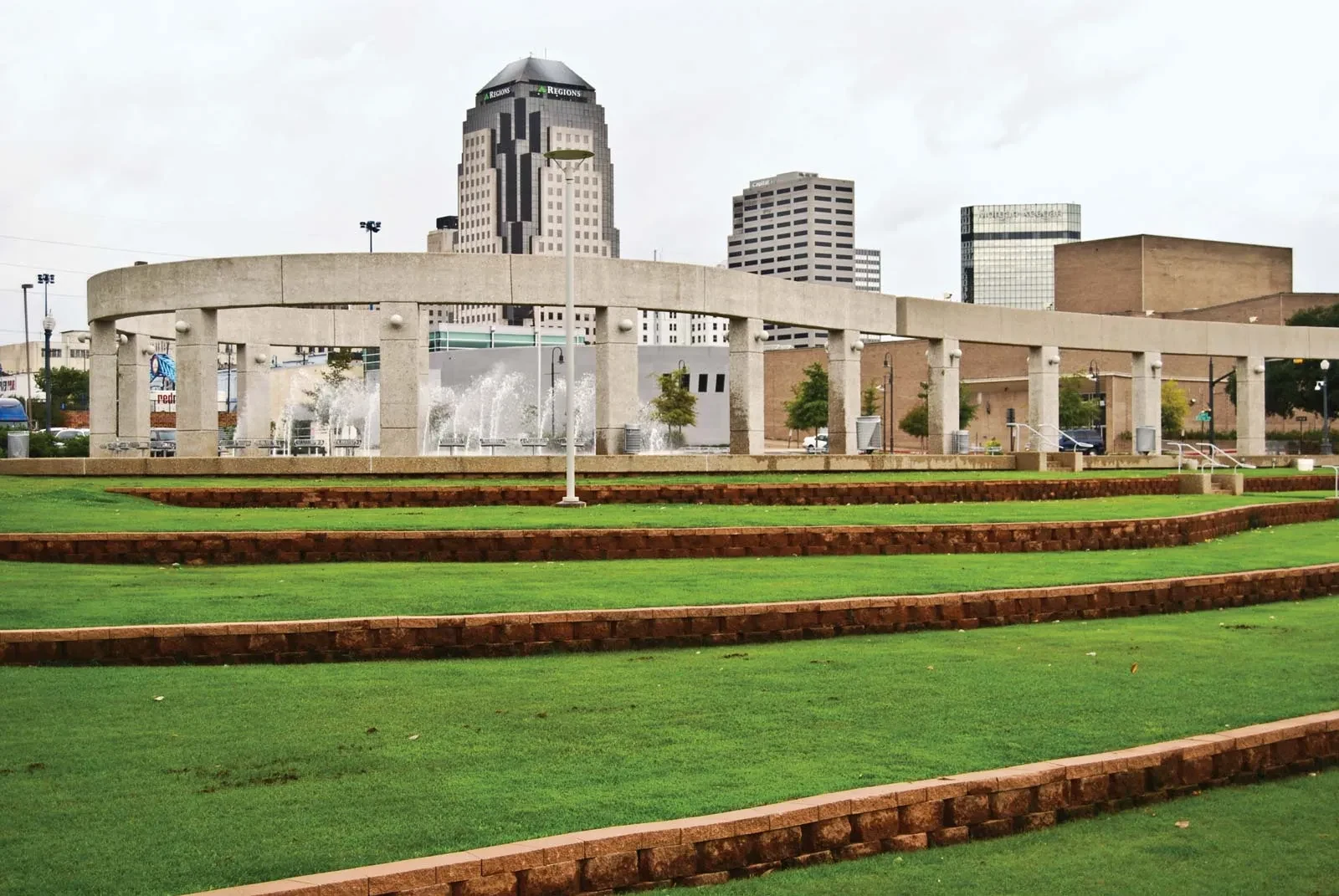
Government & Municipal Roofing in Shreveport, LA
A Public Building's Roof Budget Gets Decided Long Before the Leak Shows Up
Government and public-sector roof work in Shreveport-Bossier runs on a different clock than private commercial work. Between Caddo and Bossier parish buildings, city facilities, and the commercial stock supporting operations near Barksdale, the roof plan usually has to fit inside a budget cycle that was set months or years in advance, not a repair schedule we control.
Working Inside a Budget Year That's Already Written
Most public buildings we work with operate on annual or biennial capital budget cycles, and a roof replacement that isn't already in that year's approved budget doesn't happen just because we recommend it. We've learned to frame our reports around what a facilities director actually needs to bring to a budget request: clear condition documentation, realistic remaining service life estimates, and cost ranges that hold up under public bid requirements.
That means our inspection reports for government buildings look different than what we'd hand a private property owner. We're building the case a facilities manager needs to secure funding a year or two out, section by section, so nothing gets missed when the budget request finally gets written.
Procurement Rules Change How the Work Gets Scoped
Public bid requirements mean roof projects on government buildings often move slower than the same job would on a private building, with formal specifications, competitive bid periods, and approval steps that a private owner could skip entirely. We write our scopes of work with that process in mind, detailed enough to support a fair bid comparison rather than a general recommendation that leaves too much open to interpretation.
We also stay aware of prevailing wage and public works requirements that apply to parish and city projects, since those requirements affect scheduling and documentation in ways that don't come up on private commercial work.
Courthouse and Civic Buildings Carry Their Own Constraints
Courthouses and civic office buildings can't simply close a wing for roof work the way a private office building might. Court schedules, public records access, and civic operations continue regardless of what's happening on the roof above, and disruption to any of those has consequences beyond an inconvenienced tenant. We coordinate closely with building management on access windows, particularly around courtrooms and record storage areas where moisture exposure carries additional risk to documents and evidence.
Older civic buildings downtown also tend to carry historic construction details that a standard commercial roofing approach doesn't always account for, parapet designs, cornice details, and roof penetrations tied to older mechanical systems that need individual attention rather than a blanket recover.
Barksdale-Adjacent Commercial Facilities
Commercial buildings serving operations near Barksdale Air Force Base, from support offices to base-adjacent facilities, often carry their own layer of access and security coordination on top of standard roofing logistics. We plan crew access, material staging, and equipment logistics around whatever security protocol applies to a given site well before mobilization, since a delay caused by an access issue on the day of the work costs more than planning for it upfront.
Here's what we document on a standing inspection at a government or municipal building:
- Condition documentation formatted to support a capital budget request or public bid package
- Historic parapet, cornice, and penetration details on older civic and courthouse buildings
- Drainage and ponding patterns, mapped by wing on buildings expanded over multiple construction eras
- Interior evidence of moisture near record storage, archive, or evidence rooms
- Rooftop mechanical and communications equipment access and mounting condition
- Remaining service life estimates broken out by roof section
That level of detail is what makes the difference between a budget request that gets approved on the first pass and one that gets sent back for more information.
Emergency Response Still Has to Move Fast
Storm damage doesn't wait for a budget cycle, and public buildings still need emergency tarp and dry-in response when a roof section fails after a wind or ice event. We keep that response separate from the standard capital planning process, since an active leak over a courthouse records room or a school administration building needs same-day attention regardless of where that building sits in its budget year. Our emergency tarp dry-in response applies the same urgency to public buildings that it does anywhere else in this market.
Questions Public Facilities Managers Ask Us Most
How do you structure a roof report to support a capital budget request?
We break condition and remaining service life down section by section with realistic cost ranges, formatted so a facilities director can bring it directly into a budget planning meeting without needing to translate it first.
Can you provide documentation that meets public bid specification requirements?
Yes. We write scopes of work detailed enough to support a fair, apples-to-apples bid comparison rather than a general recommendation that leaves room for inconsistent bids.
How do you handle roof access at security-controlled facilities?
We coordinate crew access, material staging, and equipment logistics against whatever security protocol applies well ahead of mobilization, so the actual work day isn't held up by access issues.
What's different about roofing an older courthouse or civic building?
Historic parapet and cornice details and older mechanical penetrations usually need individual attention rather than a blanket recover approach designed for a standard commercial building.
Can emergency roof repairs happen on a public building outside the normal budget cycle?
Yes. Storm damage and active leaks get handled as emergency response regardless of where a building sits in its capital planning year, separate from any longer-term budget request.