Big-Box Retail Roofing in Shreveport, LA
A Sales Floor Leak Becomes a Liability File Before It Becomes a Work Order
Big-box retail buildings along I-20 and the Youree Drive corridor run wide-open sales floors under a single large roof, and a leak that reaches product or a customer walkway turns into more than a maintenance issue fast. We plan every inspection and repair on these buildings with that liability exposure in mind first.
Why Store Operating Hours Set the Whole Schedule
Most big-box stores in this market run extended hours seven days a week, which leaves a narrow overnight window for anything that needs to happen without customers on the floor. We schedule roof work to avoid store hours whenever the job allows, staging materials and equipment ahead of time so the actual work window is used efficiently rather than spent setting up.
When a repair can't wait for an overnight window, we coordinate with store management on containment below, wet floor protocols, and product relocation, since a retailer's loss prevention and safety standards for an active leak during business hours are different from what a closed warehouse would require.
Wide Spans Mean Small Problems Travel Far
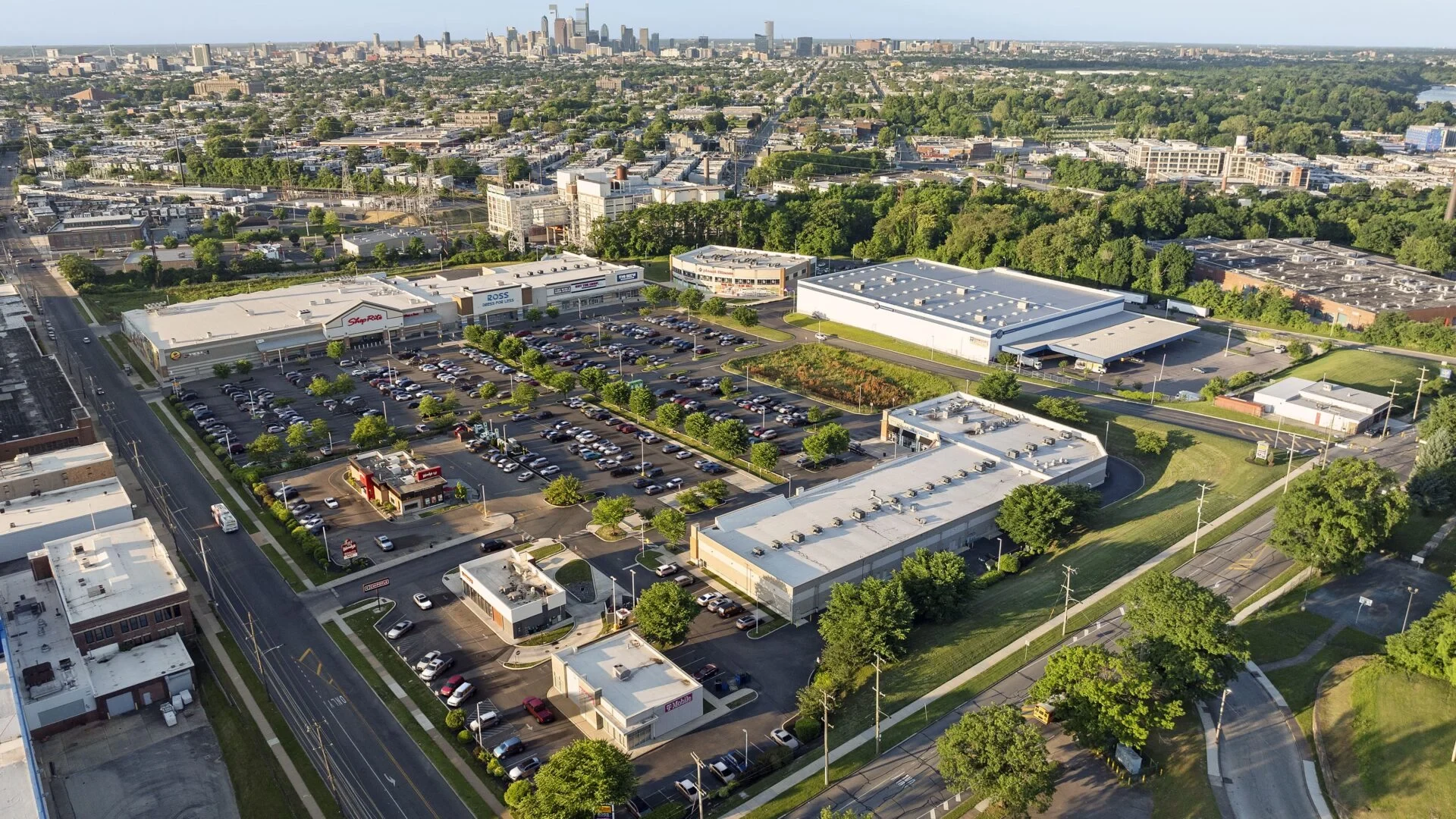
Big-box roofs cover a lot of open square footage with long structural spans and correspondingly wide drainage zones. A membrane seam issue near the center of a roof this size can be a long way from the nearest parapet or roof edge, which means routine spot-checks from the perimeter miss more than they catch. We walk full roof sections methodically on these buildings rather than relying on a partial survey, since the interior of a big-box roof is exactly where problems tend to go unnoticed longest.
Rooftop HVAC on these buildings also tends to be sized in a handful of large units rather than many small ones, and each of those units sits over a proportionally large area of open sales floor. A curb failure on one large unit affects more of the store below than the equivalent failure would on a building with more, smaller units spread out.
Loading Dock and Garden Center Additions Complicate the Roof Line
A lot of big-box stores in this market have added garden centers, drive-up pickup canopies, or expanded loading dock structures since original construction, and each addition creates a new tie-in point between roof sections built at different times. Those tie-ins are common sources of leaks precisely because they were designed and flashed by whoever handled that specific addition, not necessarily with the original roof system in mind.
We check every addition tie-in individually during inspection, since a roof that reads as uniform from the parking lot often has three or four distinct construction eras once you're actually standing on it.
On a standing big-box retail roof inspection, here's what we check:
- Membrane condition across full roof sections rather than perimeter spot-checks alone
- Tie-in points between original construction and later garden center or pickup canopy additions
- Large rooftop HVAC unit curbs and their proportional coverage area over the sales floor
- Drainage capacity across wide, open spans with limited natural slope
- Loading dock canopy and edge metal condition where trailer traffic causes physical wear
- Interior ceiling staining above sales floor aisles and stockroom areas
That documentation gives store operations and property management a clear picture of where the roof is aging fastest, which matters for planning a recover before a leak reaches the sales floor rather than after.
Recover Planning Around Remodel and Reset Cycles
Retailers periodically remodel or reset store layouts, and those windows are often the best opportunity to also address roof work over the affected section, since the store may already be adjusting hours or closing off areas for the remodel. We ask about upcoming remodel plans before finalizing a roof timeline, because lining up roof work with a planned interior closure reduces disruption for everyone involved. Our commercial roof inspection reports flag these opportunities specifically when we see a remodel on the horizon.
Storm Response That Protects Product As Much As the Building
Hail and wind events in this region can damage a big-box roof section quickly, and an uncovered opening over an active sales floor risks both customer safety and product loss. We prioritize emergency tarp and dry-in response for retail buildings specifically because every hour a section stays open is an hour of exposure for whatever's stocked below it.
Questions Retail Facilities Managers Ask Us Most
Can roof repairs happen without closing the store or blocking off aisles?
Usually yes if the work can be scheduled overnight. Daytime work over an open sales floor requires containment and coordination with store management on wet floor protocols and product protection.
How do you handle roofs with garden center or pickup canopy additions?
We check every tie-in point between the original roof and each addition individually, since those transitions are common leak sources regardless of how uniform the roof looks from ground level.
What's the biggest liability risk with a big-box retail roof leak?
Water reaching the sales floor or a customer walkway, which raises both a safety concern and a potential claim beyond the cost of the roof repair itself.
Should roof recover work be timed with a store remodel?
When possible, yes. A remodel that already involves closing off part of the store is often the most efficient window to also address the roof section above that area.
How fast can you respond to hail or wind damage on a big-box store roof?
Same-day dry-in in most cases, since an open section over an active sales floor creates both a safety and inventory risk that needs to be addressed before the next business day.